
These SWOT analysis templates for Excel help you organize strengths, weaknesses, opportunities and threats, then turn selected findings into practical actions. Download two original editable worksheets: a SWOT evidence matrix and a strategy action plan. Each includes examples, blank rows and a preview.
SWOT is a structured way to discuss a business, project or specific decision. Strengths and weaknesses concern internal conditions; opportunities and threats concern the external environment. A useful analysis connects those observations to evidence and to the decision being considered, rather than collecting general statements that could describe almost any organization.
Choose a clear scope before filling in the worksheet. An analysis of a local shop’s delivery service will differ from an analysis of the whole company. Replace the sample factors with observations relevant to your situation, identify the evidence behind them and record what you still need to investigate. SWOT is not a forecast or a guarantee of success.
Download the two worksheets | Read the completion guide | Frequently asked questions
Download the two editable templates
Each button downloads an original XLSX workbook directly. Open it in compatible spreadsheet software, save a fresh copy and replace the example entries. The preview shows the supplied layout; sample people, dates and amounts are illustrations. Check formulas after extending calculation ranges.
SWOT Evidence Matrix
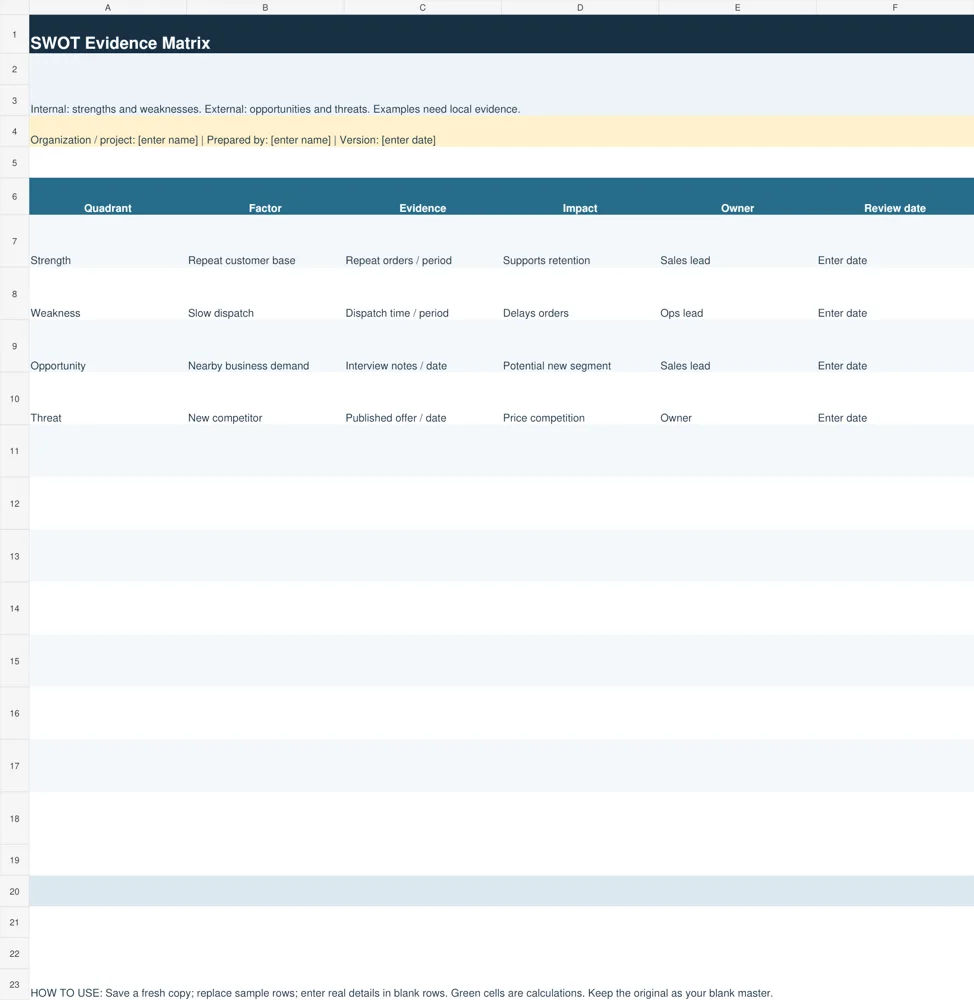
Use the matrix to record each internal or external factor, its evidence, impact, owner and review date.
Download SWOT Evidence Matrix (XLSX)
SWOT Strategy Action Plan
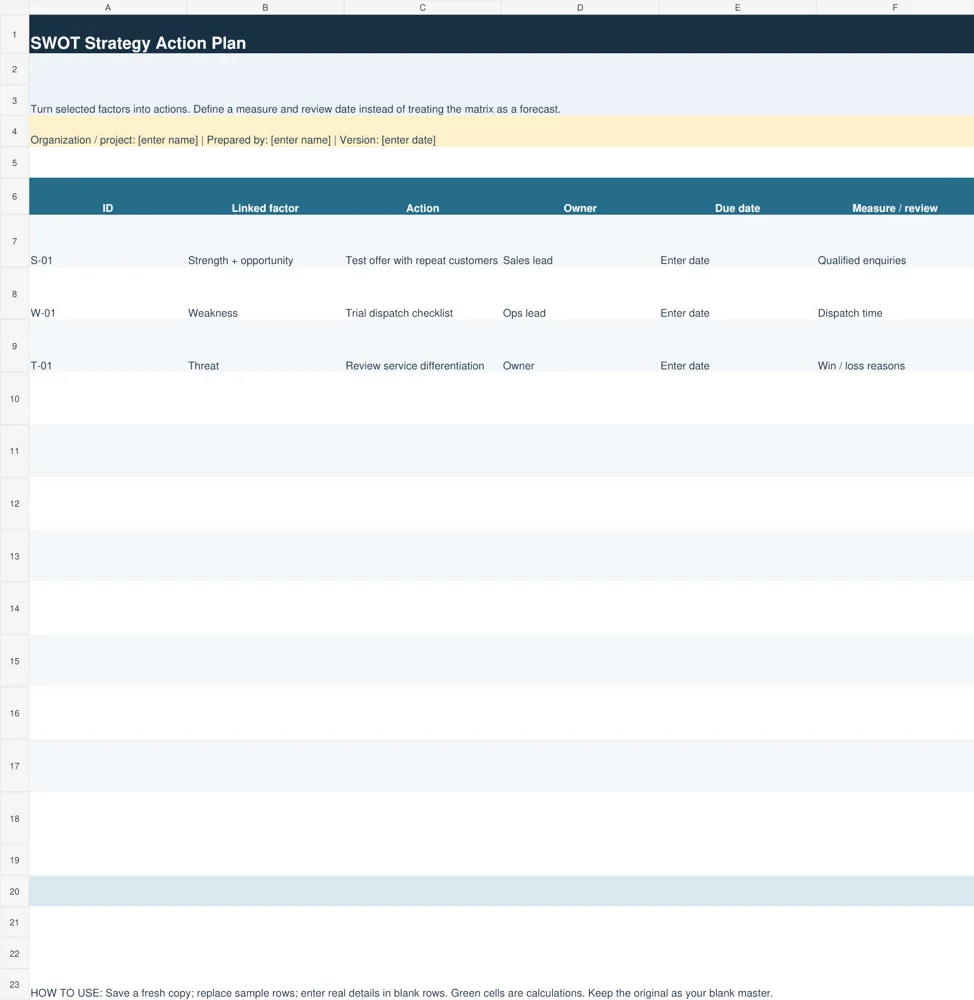
Use the strategy sheet to link selected findings to actions, owners, due dates and review measures.
Download SWOT Strategy Action Plan (XLSX)
Understand the four SWOT categories
Strengths are internal advantages relevant to the chosen objective. A repeat customer base, a trained team or an efficient fulfillment process may be strengths when supported by evidence. Avoid describing every positive characteristic as equally important. Ask how the strength affects the decision and whether the organization can actually use it.
Weaknesses are internal limitations. Examples might include slow dispatch, insufficient capacity or missing skills. Describe the limitation specifically enough that the team can respond. A statement such as poor operations is difficult to act on, while average dispatch time exceeds the agreed target identifies a condition that can be investigated and improved.
Opportunities are external developments that may create a favorable opening. They can include an underserved customer segment, a relevant change in demand or a potential partnership. An opportunity is not the same as your planned action. Launch a new offer is an action; evidence of unmet demand is the external condition that might justify it.
Threats are external conditions that could make the objective harder to achieve. A new competitor, a supplier disruption or changing customer expectations may matter. Keep threats distinct from internal weaknesses. Slow dispatch within the business is a weakness; an outside competitor offering faster delivery is a possible threat to that business.
Choose the evidence matrix or the action plan
The SWOT Evidence Matrix uses a row-based layout rather than a decorative four-box slide. It records the quadrant, factor, evidence, impact, owner and review date. This gives each observation room for a source or supporting note and makes it easier to review the items that need more information.
The SWOT Strategy Action Plan records an identifier, linked factor, action, owner, due date and measure or review. It helps the team move from discussion to a manageable set of commitments. Link an action to the factor that justifies it so a reviewer can understand why that task was selected.
Use the evidence matrix first, then complete the action plan after reviewing the findings. The two workbooks are separate and do not synchronize automatically. Neither produces an automatic strategy ranking or financial forecast. The sample entries are prompts for your discussion, not conclusions about your own business.
Summarize the organization and its capabilities with our company profile templates.
How to complete a SWOT analysis step by step
Start by naming the decision, scope and period of the analysis. For example, assess whether a local retailer should expand delivery to nearby business customers over the next quarter. This focus helps the team choose relevant factors and prevents the discussion from becoming an unlimited list of observations about the entire company.
Gather evidence from appropriate records and people. Customer feedback, order data, process records and verified information about the external environment may be useful. Record the source and date next to the factor. If the observation is based only on an assumption, label it as such and identify how it can be checked.
Classify each factor as internal or external, then as favorable or unfavorable for the objective. If a factor seems to fit more than one category, clarify the wording. A strong supplier relationship may be an internal capability, while a supplier’s future expansion is an external development. Specific wording reduces disagreements caused by different interpretations.
Review the list and remove duplication. Several phrases may describe the same underlying issue, such as slow processing, delayed dispatch and late orders. Combine them where appropriate and preserve the evidence. A shorter list of well-supported factors is more useful than a large matrix filled with generic statements.
Select the factors that materially affect the decision and develop actions. Consider feasibility, available resources and the consequence of doing nothing. Give each selected action an owner, due date and review measure. Leave unconfirmed ideas visible as items to investigate rather than presenting them as approved commitments.
Worked example: a local delivery business
The sample matrix describes a repeat customer base as a strength, supported by repeat-order records for a defined period. Slow dispatch is a weakness, with dispatch-time records as evidence. Nearby business demand is a possible opportunity, supported by dated interviews or enquiries. A new competitor is a threat, supported by a verified published offer.
These factors are illustrations, not findings about a real business. In your own analysis, replace broad labels with the details you have confirmed. The number of repeat customers, the dispatch delay and the demand evidence should all relate to the same decision scope. A successful unrelated product line may not be a useful strength for the proposed delivery expansion.
The action plan links the strength and opportunity to testing an offer with repeat customers. It links the weakness to a trial dispatch checklist and the threat to a review of service differentiation. Each action needs an actual owner and target date. A measure such as qualified enquiries or dispatch time helps assess whether the action produced useful information.
The team should review the trial before expanding the service. An opportunity supported by a few enquiries may still need validation, and a process improvement may require more capacity than expected. SWOT helps organize those questions; it does not replace customer testing, cost analysis or the other evidence required for the decision.
Organize customer records that support your research using customer information sheets.
Turn the matrix into practical strategy
Look for connections between factors. A strength can help the organization investigate an opportunity, while a weakness may need attention before that opportunity can be pursued. An action addressing a threat should be tied to the actual exposure rather than simply copying what a competitor does. Explain the connection in the linked-factor field.
Keep the action list small enough to manage with the available people and time. If every factor becomes an urgent action, priorities disappear. Separate investigation from implementation: confirm demand may come before launch a new service. This sequence avoids committing to a large response while the underlying assumption remains untested.
Choose a review measure that matches the action. A dispatch trial can be reviewed through dispatch time and errors, while a demand test can examine qualified enquiries or actual orders. Avoid treating a rise in an unrelated metric as proof of success. Record the baseline or comparison period needed to interpret the result.
Review the analysis when important conditions change. A new supplier, a process improvement or a change in demand can alter the relevance of the original factors. Keep dated versions so the team can see what was known at the time. Do not quietly replace old evidence in a way that makes earlier decisions appear based on information that arrived later.
Avoid generic SWOT statements and unsupported certainty
Common weak entries include great quality, high competition and need more marketing without evidence or context. Improve them by naming the condition, its source and its effect on the objective. If you cannot explain why the factor matters, it may not belong in the analysis. The template is a structure for reasoning, not a substitute for information.
Invite relevant perspectives while checking claims. Sales, operations and customer-service staff may see different parts of the same problem. Record the evidence behind their observations rather than turning disagreement into a simple vote. An uncertain factor can remain uncertain while the team decides how to investigate it.
Before sharing the analysis, check the scope, classifications, evidence dates and action owners. Make the remaining questions visible. A completed worksheet should help readers understand the decision and the next work required, without implying that four filled categories prove the strategy will succeed.
For a restaurant project, review operational tasks alongside restaurant checklist templates.
Additional original previews and source references
The existing previews below are retained as reference examples. Source links open third-party pages or PDF references and may have their own access or licensing conditions. They are separate from the two original editable downloads above. An unavailable source is identified instead of being presented as a working download.
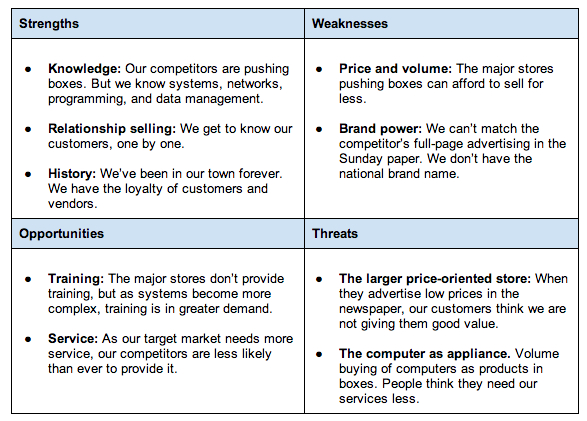
View original source 1 (external page). This is a source reference; inspect its format and access conditions there.
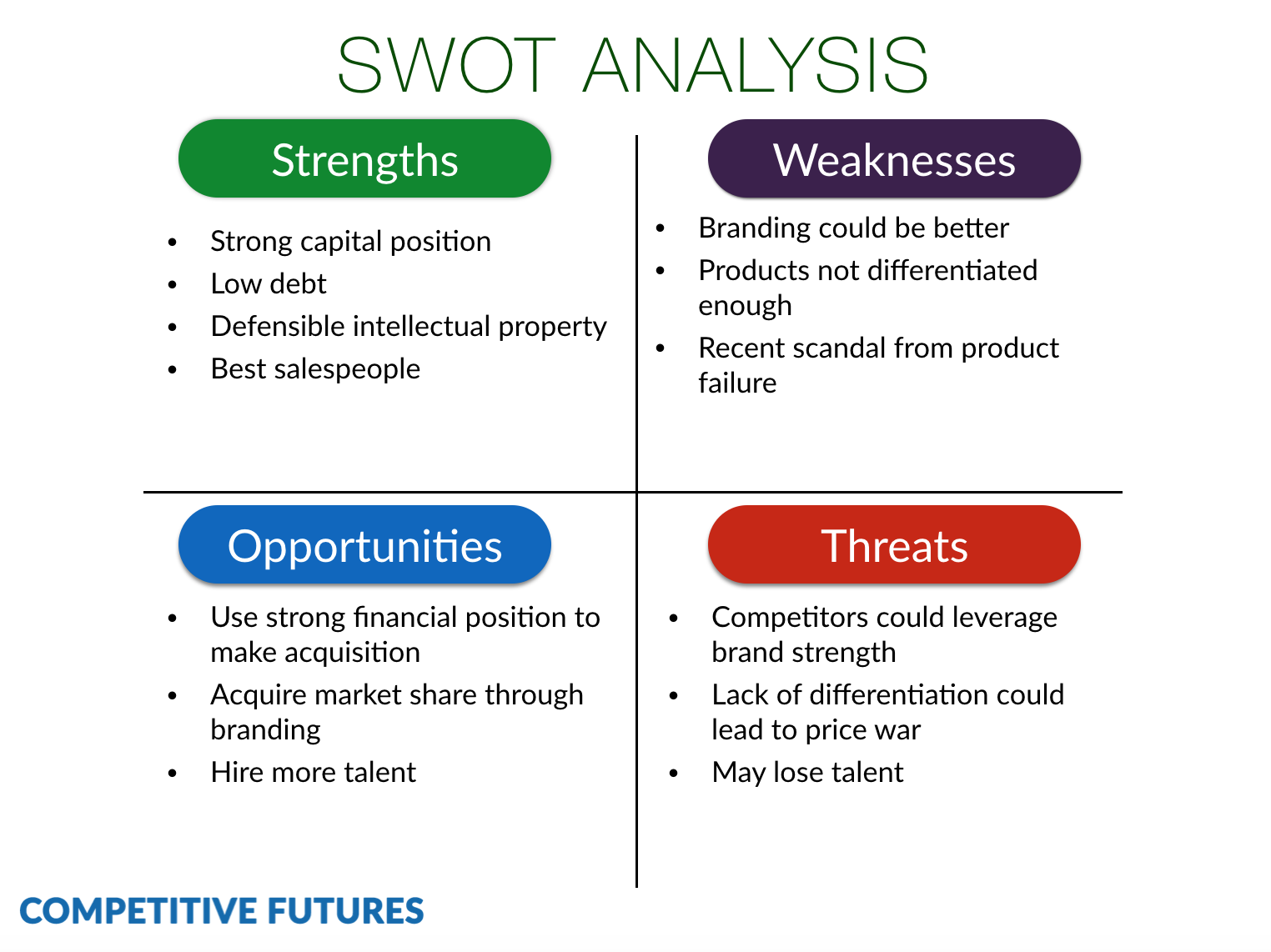
The original source for this preview could not be verified during the link check (the old address returned 404). Use the original editable downloads above for a direct file download.
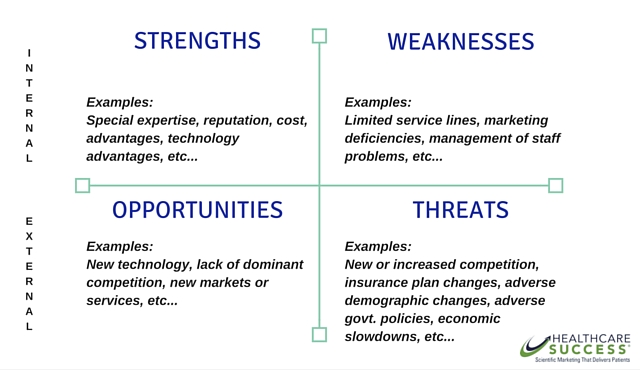
View original source 3 (external page). This is a source reference; inspect its format and access conditions there.
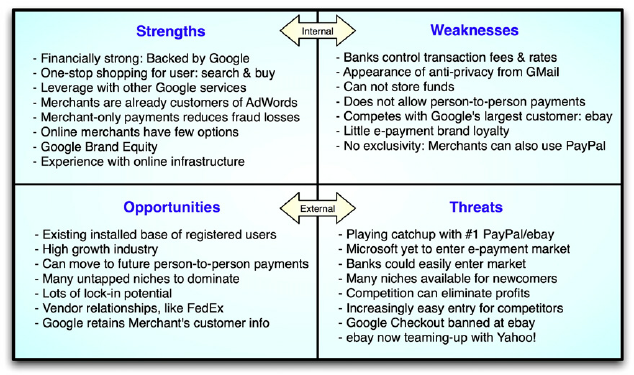
View original source 4 (external page). This is a source reference; inspect its format and access conditions there.
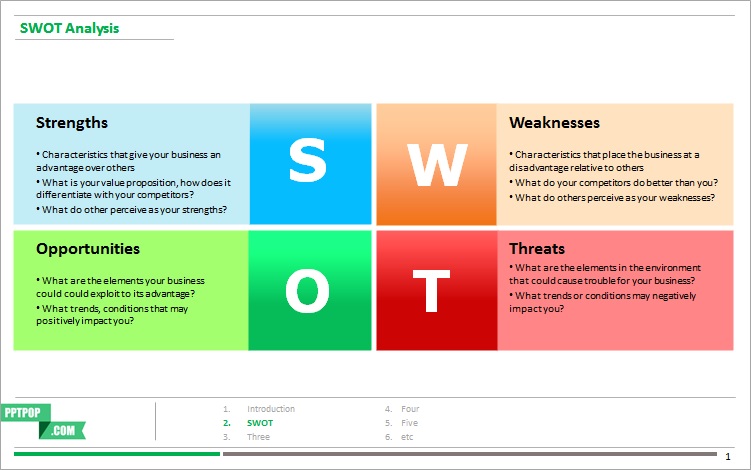
View original source 5 (external page). This is a source reference; inspect its format and access conditions there.
View original source 6 (external page). This is a source reference; inspect its format and access conditions there.
Frequently asked questions
What does SWOT stand for?
Strengths, weaknesses, opportunities and threats. Strengths and weaknesses are internal factors; opportunities and threats relate to the external environment.
Are these SWOT templates editable in Excel?
Yes. The two original downloads are XLSX worksheets: an evidence matrix and an action plan. Replace the examples and add your own factors and actions.
Is a planned action an opportunity?
Usually the opportunity is the favorable external condition, such as unmet demand. Launching an offer to address it is an action. Keep these separate so the reasoning remains clear.
Does SWOT predict business success?
No. It organizes observations and discussion. Validate important assumptions and use appropriate customer, operational and cost evidence before making a decision.
How often should I update the SWOT analysis?
Review it when significant internal or external conditions change and at the review dates assigned to important factors. Keep dated versions so earlier decisions remain understandable.
You must be logged in to post a comment.