
Electronegativity describes how strongly an atom attracts shared electrons in a bond. The charts below provide reference layouts for comparing elements. Check the scale and source used by a chart before comparing values from different references.
View the templates and existing download links below.
Choosing the right format
The Pauling scale is widely used in introductory chemistry, but not every chart uses the same scale. Electronegativity differences help discuss bond polarity; molecular polarity also depends on structure and the arrangement of bonds. A static chart is not an interactive calculator.
Details to include
- Element names or symbols
- Clearly identified scale and reference values
- Source information and any conventions for missing values
How to use the template
- Find the two elements on the same scale.
- Compare their values to identify the more strongly attracting atom.
- Use your course’s conventions and consider molecular structure when discussing overall polarity.
Worked example
For a bond between two different elements, the atom with the higher electronegativity attracts the shared electron density more strongly. This does not by itself establish the polarity of an entire molecule.
See OpenStax Chemistry on covalent bonding and electronegativity for the underlying explanation.
Download and printing notes
Check the destination and file format of each existing download before using it. Some samples link to an external resource; its availability and terms are controlled by that provider.
Find Free Electronegativity Charts Here
Free Electronegativity Chart
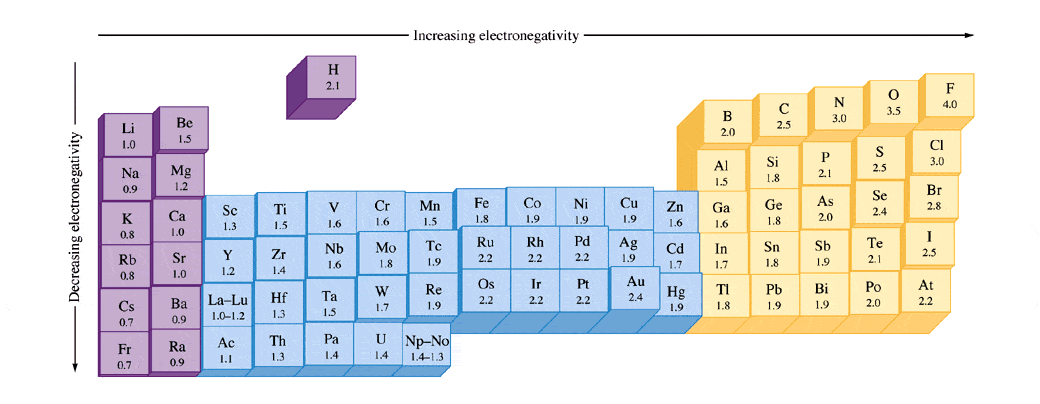
Electronegativity Chart Printable
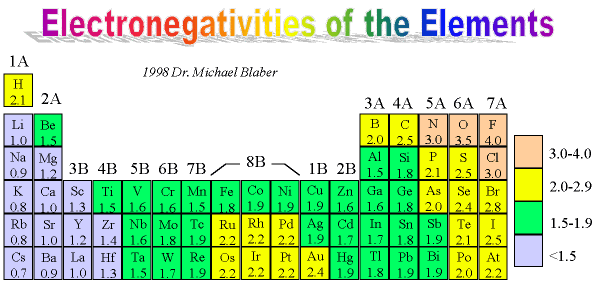
Sample Electronegativity Chart
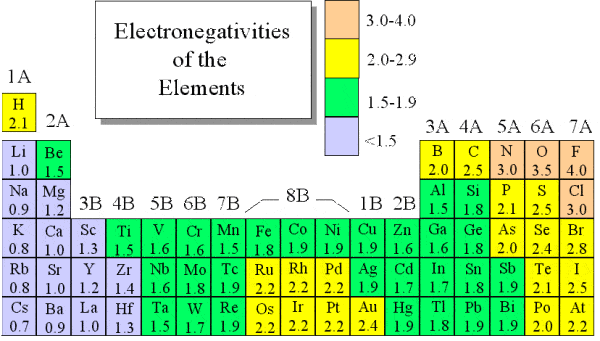
Electronegativity Chart Example
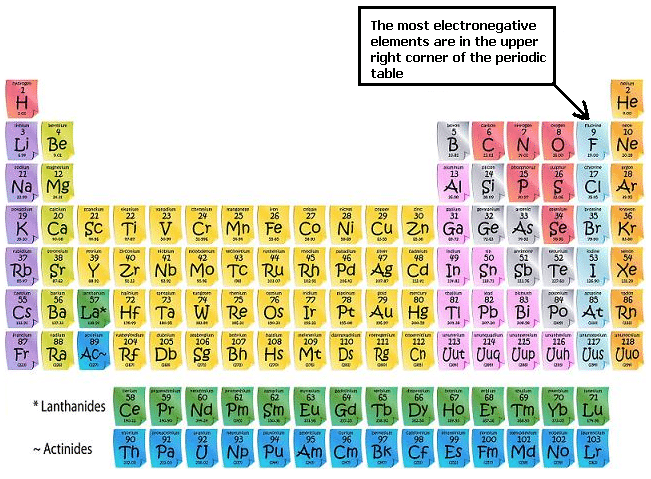
Electronegativity Chart Template
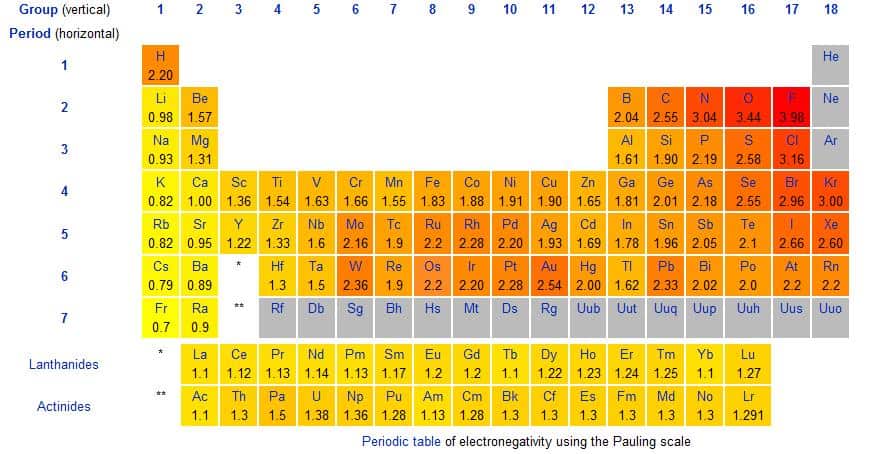
Electronegativity Chart Maker
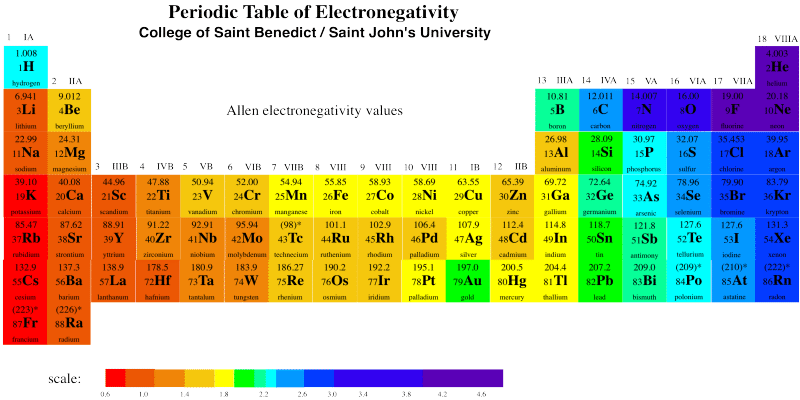
Related templates
For related tasks, see Polyatomic Ion Charts: Names, Formulas and Charges.
You must be logged in to post a comment.